







Search Results for: dripper stability
A Complete Beginner's Guide to Pour-Over Coffee: A Hands-On Tutorial from Stance and Water Flow to the Extraction Process
Pour-over coffee, with its simple operation, easy-to-manage equipment, and ability to fully showcase coffee's vibrant aromas and clean taste, has become the preferred brewing method for many enthusiasts. However, behind the seemingly simple act of pouring water lie strict requirements for details such as water temperature, extraction time, water flow rate, and blooming rhythm. This article systematically outlines the fundamental operating standards of pour-over coffee—from stance adjustment, kettle-holding techniques, and the three-part water flow practice to the complete brewing process—helping beginners build a solid foundation and gradually achieve stable, gentle extraction. [more…]
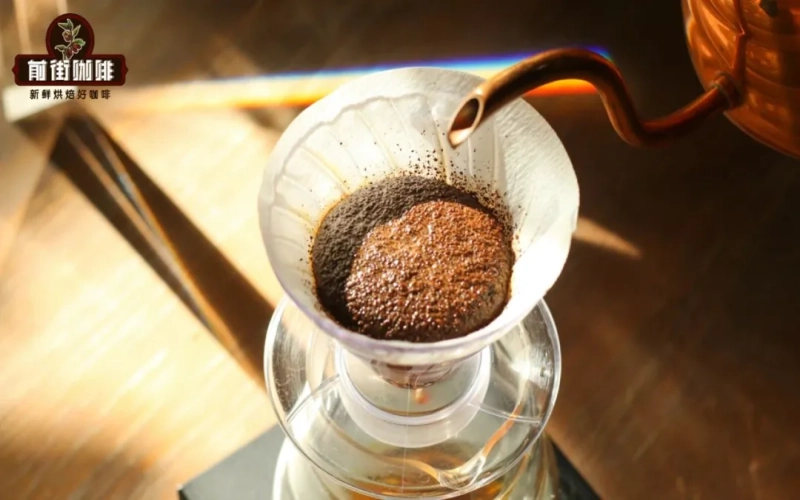
How Do Pour-Over Coffee Bed Depth and Shape Influence Flavor? A Detailed Explanation of the Differences Between Flat-Bottom Drippers and Conical V60
In the world of pour-over coffee, the shape of the coffee bed is often overlooked, yet it profoundly influences the final flavor expression. Starting from cases previously shared by Front Street Coffee, this article systematically sorts out the specific effects of coffee bed thickness and shape on extraction efficiency, stability, and coffee taste. You will learn why the same beans present completely different layers or balance in different drippers, and also understand why every dripper has a recommended dose. Through a comparative brewing example of Front Street Coffee Ethiopia Huakui, we will intuitively see the flavor differences brought by conical drippers and flat-bottom drippers, helping you understand more thoroughly the logic behind dripper selection, so you can brew a good cup of coffee more confidently. [more…]
Filter Cup Buying Guide: How Material, Flow Rate, Shape, and Functional Design Affect Pour-Over Coffee Flavor
The popularity of pour-over coffee is inseparable from the dripper, a key piece of equipment. From Mrs. Melitta's accidental experiment with blotting paper and a copper bowl to today's dazzling array of drippers, choosing a suitable one has become a source of confusion for many coffee lovers. Front Street Coffee starts from four dimensions—material, flow rate, appearance design, and functional design—and, combining hands-on testing data with in-store experience, analyzes the specific effects of different drippers on extraction temperature, water flow speed, and coffee flavor layers. Whether you seek stability and beginner-friendliness or wish to finely control the direction of flavor, this article will provide you with practical purchasing ideas and references. [more…]
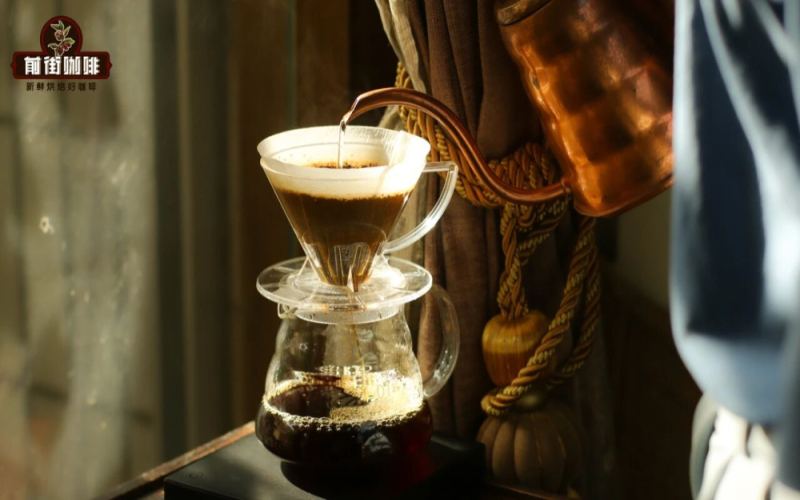
A Complete Analysis of the Flavor Differences and Structural Principles Between Brewing with the Kalita Trapezoid Dripper and the Hario V60 Cone Dripper
In the world of pour-over coffee, the shape of the dripper has a far more critical impact on flavor than one might imagine. The once-popular trapezoid dripper is now rarely seen in specialty coffee shops, having been replaced by cone-shaped drippers such as the Hario V60. This article starts from the actual brewing of two beans—Front Street washed Yirgacheffe and Jamaican Blue Mountain—to compare the flavor performance of the Kalita 101 trapezoid dripper and the V60 cone dripper, and takes a deep dive into how the structural differences between the two lead to different extraction methods. At the same time, the article also explores the reasons why the trapezoid dripper has gradually faded out, as well as its stability advantage that keeps it favored by chain brands, providing coffee enthusiasts with comprehensive reference for purchasing and brewing. [more…]
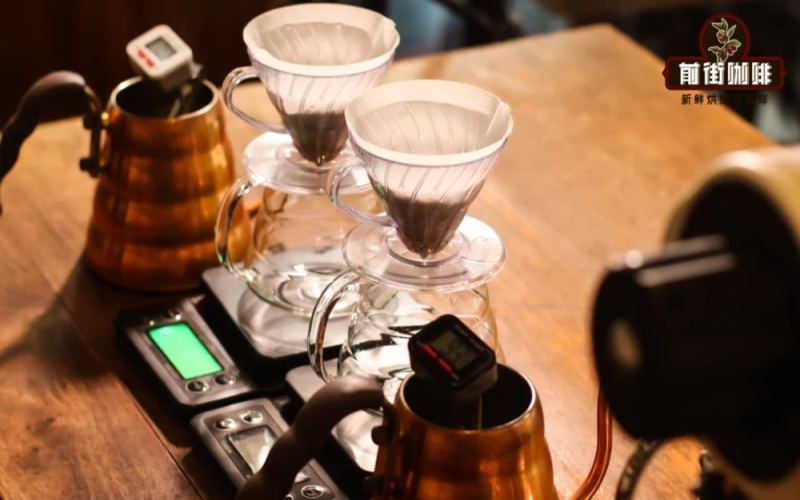
Pour-Over Coffee: One-Pour vs. Three-Pour Comparison — A Comprehensive Analysis of Steps, Ratios, and Brewing Methods
One of the charms of pour-over coffee lies in using different pouring techniques to bring out the diverse flavors of the same bean. Currently, the two most widely used methods—single-pour and three-stage—each have their own followers. Single-pour involves completing the target water volume in one go after blooming; it is simple to operate but extremely demanding on water flow stability and grind size. The three-stage method divides pouring into three phases, enhancing layering and compatibility through staged extraction. Using 15 grams of coffee and a 1:15 coffee-to-water ratio as an example, this article breaks down in detail the specific steps, pouring timing, and parameter requirements of both methods, and combines the brewing performance of Front Street Coffee Huakui and Colombia Huila Washed Caturra to help you find a brewing rhythm that suits you. [more…]
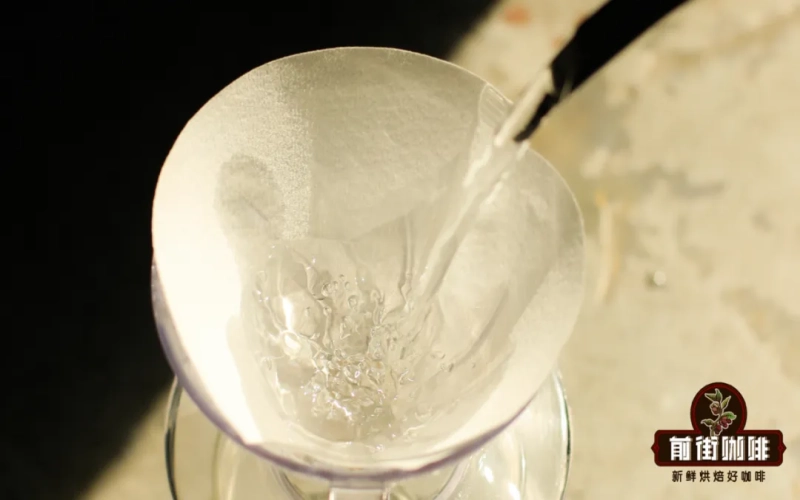
How to perfectly fit a pour-over coffee filter paper to the dripper? A full analysis of the dripper structure's function and the key points of folding the paper
In the extraction process of pour-over coffee, how well the filter paper fits the dripper directly affects the final cup quality. Many enthusiasts find that if the filter paper does not sit tightly against the dripper wall, even the best dripper cannot deliver its intended design advantages. Take the currently popular V60 dripper as an example: its unique spiral rib structure can hardly function when the filter paper fails to fit properly. Therefore, before formal brewing, the step of wetting the filter paper is especially critical—it not only removes the papery taste and dust from the filter paper itself, but is also the core operation for making the filter paper fit tightly against the inner wall of the dripper. Starting from the structural function of the dripper, this article will explain in detail the key points of folding and fitting the filter paper, and share Front Street Coffee's experience in actual operation, to help everyone improve the stability and flavor performance of pour-over extraction. [more…]
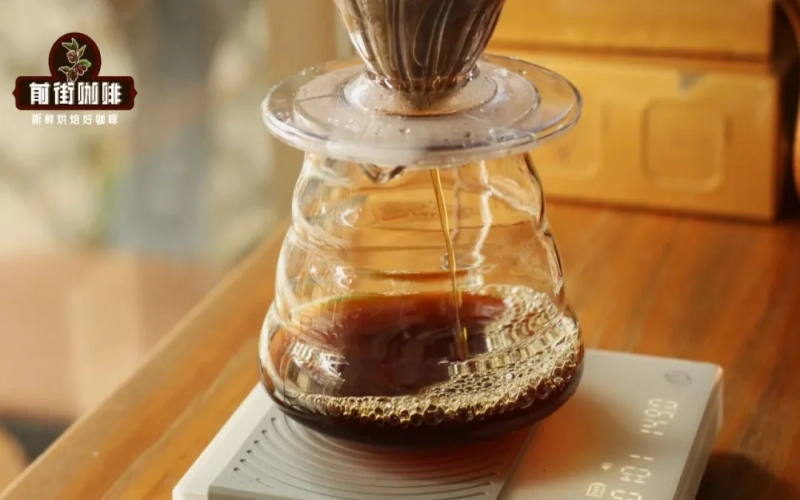
A Complete Analysis of Pour-Over Coffee Water Pouring: How Position, Path, Height, and Flow Rate Affect Extraction
Many friends who are teaching themselves pour-over coffee at home often run into a problem: even when the parameters match those recommended by Front Street stores, the coffee they brew comes out inconsistent—sometimes good, sometimes bad. The reason is mostly that the water flow is not stable enough during pouring. The position, path, height, and size of the pour all directly affect the evenness of extraction and the flavor expression of the coffee. SCA experimental data shows that the higher the stability of the water flow, the higher the extraction evenness. Starting from the brewing practice with Front Street’s Little Tomato coffee beans, this article systematically analyzes how the four major elements of pouring affect extraction, and gives specific operational suggestions to help you consistently brew a delicious cup of pour-over coffee. [more…]

How Do You Use the Switch Smart Mug? A Detailed Explanation of Tetsu Kasuya's New Hybrid Brewing Method and How It Differs from the 4:6 Method
Based on the original 4-6 brewing method, Tetsu Kasuya made new adjustments to the hybrid brewing method. By changing only two operational details, he significantly improved extraction stability and uniformity. The hybrid brewing method combines immersion and drip filtration, and requires a smart dripper with a valve to execute. This time, Front Street Coffee uses a Diamond Mountain bean from Hacienda La Esmeralda as an example, and demonstrates the complete process of the new hybrid brewing method with a Hario V60 smart dripper, including the coffee-to-water ratio, grind size, staged pouring, and water temperature control, to help you understand the logic behind this brewing approach and adjust it flexibly according to your own taste. [more…]
Pour-over Coffee Single-Pour Technique Tutorial: A Complete Guide to Brewing Steps, Flavor Characteristics, and Grind Parameters
Among the many ways to brew pour-over coffee, the single-pour method is one of the first techniques many enthusiasts encounter and the easiest to understand. Its core logic is simple and clear—after the bloom, the entire target volume of water is poured in one go. That said, the single-pour method does not mean pouring water only once; the process still consists of two stages: the bloom and the main pour. Coffee brewed this way tends to be clean, clear, and consistent in flavor, but it also places stricter demands on pouring stability, grind size, and other parameters. In this article, from the perspective of a Front Street Coffee barista, we will break down the complete single-pour brewing process in detail, analyze its flavor performance and operational challenges, and help those just getting started quickly master this classic technique. [more…]
The Complete Guide to Pour-Over Coffee Water Pouring: Analyzing the Core Techniques of Position, Path, Height, and Flow Rate
Many coffee enthusiasts who practice pour-over at home often struggle with inconsistent flavor even when their parameters match those used in cafés. The root cause usually lies in the water stream not being stable enough during pouring. In fact, the position, path, height, and size of the pour all directly affect the extraction. SCA experimental data shows that the higher the stability of the water stream, the higher the extraction uniformity. This article draws on the hands-on experience of Front Street cafés to systematically explain how to stabilize the brewing of a delicious pour-over coffee through precise control of pouring. Whether you are a beginner or an advanced player, mastering these pouring essentials can take your coffee quality to the next level. [more…]

Beginner's Guide to Making Coffee at Home: Choosing Your First Pour-Over Setup and Practical Tips to Avoid Pitfalls
Specialty coffee is becoming more and more popular, and many friends who are just getting into coffee have begun to toy with the idea of brewing at home. Yet faced with a dazzling array of equipment, how to avoid wasting money and choose gear that truly suits you has become a problem for many beginners. Starting from the importance of coffee bean freshness and fresh grinding, this article goes through the key points for choosing a grinder, dripper, gooseneck kettle, filter paper, server, and digital scale one by one, and includes practical advice from Front Street. Whether you are just starting out or preparing to upgrade your equipment, this guide can help you clarify your thinking, avoid common pitfalls, and build a stable, easy-to-use pour-over setup on a reasonable budget. [more…]
The Beginner's Must-Learn One-Pour Center-Pour Method: Yirgacheffe Red Honey Process V60 Brewing Parameters and Flavor Analysis
Pour-over coffee may seem complicated, but there is actually a low-effort yet stable extraction method—the single-pour center pour. It doesn't require segmented circling; simply keep pouring continuously after the bloom, making it especially suitable for those new to pour-over. This article uses the Yirgacheffe Red Honey Red Cherry recommended by Front Street Coffee as an example, first introducing the classification of honey processing and the proportion of pectin retained, then using the Hario V60 dripper to conduct a comparative brewing of two different grind sizes: a coarse grind BG-7K paired with a longer pouring time, and a fine grind BG-6M paired with a shorter pouring time, to experience the flavor differences under the same coffee-to-water ratio and water temperature. The article also explains in detail how the V60's rib structure affects flow rate, and why pouring stability is far more important than fancy techniques. [more…]
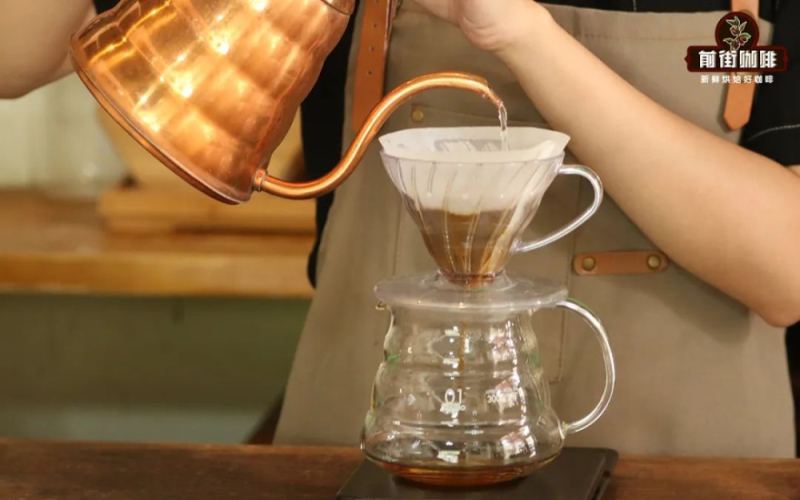
Guide to Consistent Pour-Over Coffee: Key Details from Parameter Execution to Filter Cup Preheating
The charm of pour-over coffee lies in its rich flavors, but it also puzzles many enthusiasts: why does the same beans and parameters produce a different taste every time? Front Street Coffee believes that it is nearly impossible to replicate two completely identical cups of coffee, but by controlling the details, it is entirely possible to make two cups sensorially indistinguishable. This article will start with four key steps—strictly executing brewing parameters, preheating the dripper and server, cleaning the grinder, and waiting for the drip to finish—to analyze in detail how to reduce unstable factors during brewing, helping you improve the stability and quality of your pour-over coffee. [more…]
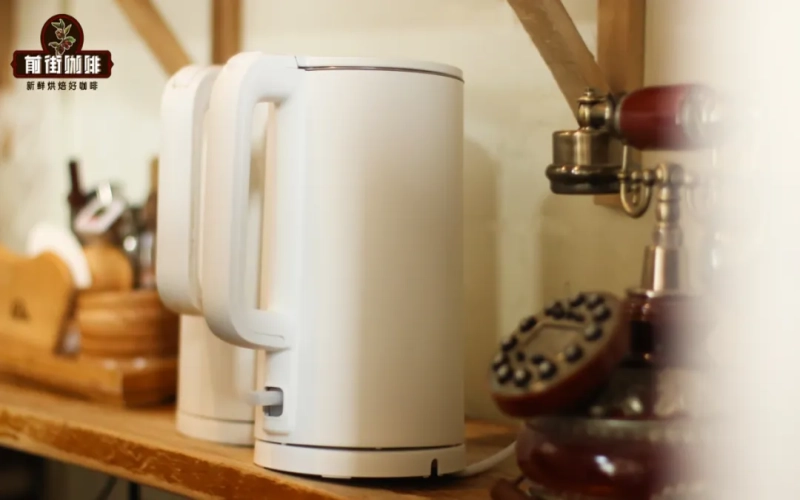
Why do pour-over kettles feature a long, slender spout design? Can an ordinary electric kettle handle coffee brewing?
Friends who have just gotten a new electric kettle often ask: can this kettle be used directly to brew pour-over coffee? The answer is yes, but brewing a delicious cup with it is not so simple. The long, slender neck, narrow spout, and low center of gravity of a professional pour-over kettle are all designed for stable pouring; an ordinary electric kettle is built around boiling water, lacks a flow-guiding structure, and is naturally harder to control. Through hands-on testing, Front Street Coffee shares two workable methods for brewing good coffee with an ordinary electric kettle, and provides complete extraction parameters and brewing steps, verifying that an electric kettle can also brew coffee with excellent flavor. [more…]

Using a lid for true blooming? The principles, parameters, and complete practical breakdown of the Matsuya-style brewing method
Have you ever seen a brewing method that uses a lid to "steep" coffee? This is no joke—it's the "Matsuya-style brewing" that originated in Japan in 1962. It uses a pot lid to achieve true blooming, paired with ultra-high pouring and an ultra-concentrated coffee-to-water ratio, then restores the flavor through bypass dilution. The core pursuit of this method is "stability": allowing both freshly roasted beans and beans that have rested for a week to fully release their gases during the blooming stage, thereby avoiding extraction fluctuations caused by differences in degassing. This article will provide a complete breakdown of Matsuya-style brewing, from its invention background and design logic to specific parameters, and using dark-roasted Sumatra·Golden Mandheling as an example, present Front Street Coffee's hands-on steps and tasting notes, taking you to experience the unique charm of this classic Japanese brewing method. [more…]
A Beginner's Guide to Pour-Over Coffee: A Systematic Practice Method from Stance to Pouring
Beginners to pour-over coffee often encounter this困扰: a hand-pour kettle that is originally lightweight feels as heavy as a thousand pounds in the hand, water flow control is far from as effortless as imagined, and after a slightly longer pouring time, the arm begins to ache and tremble. The root of these problems lies partly in insufficient practice, and partly in not yet having found a suitable way to exert force and body posture. Although everyone's height, body type, and operating habits differ, and there is no universally standard posture, mastering the basic action essentials and then adjusting them according to one's own conditions can greatly improve practice efficiency. This article compiles a set of introductory methods for beginner pour-over posture, covering equipment preparation, standing posture adjustment, kettle-gripping technique, pouring practice, and the complete extraction process, for coffee lovers' reference. [more…]
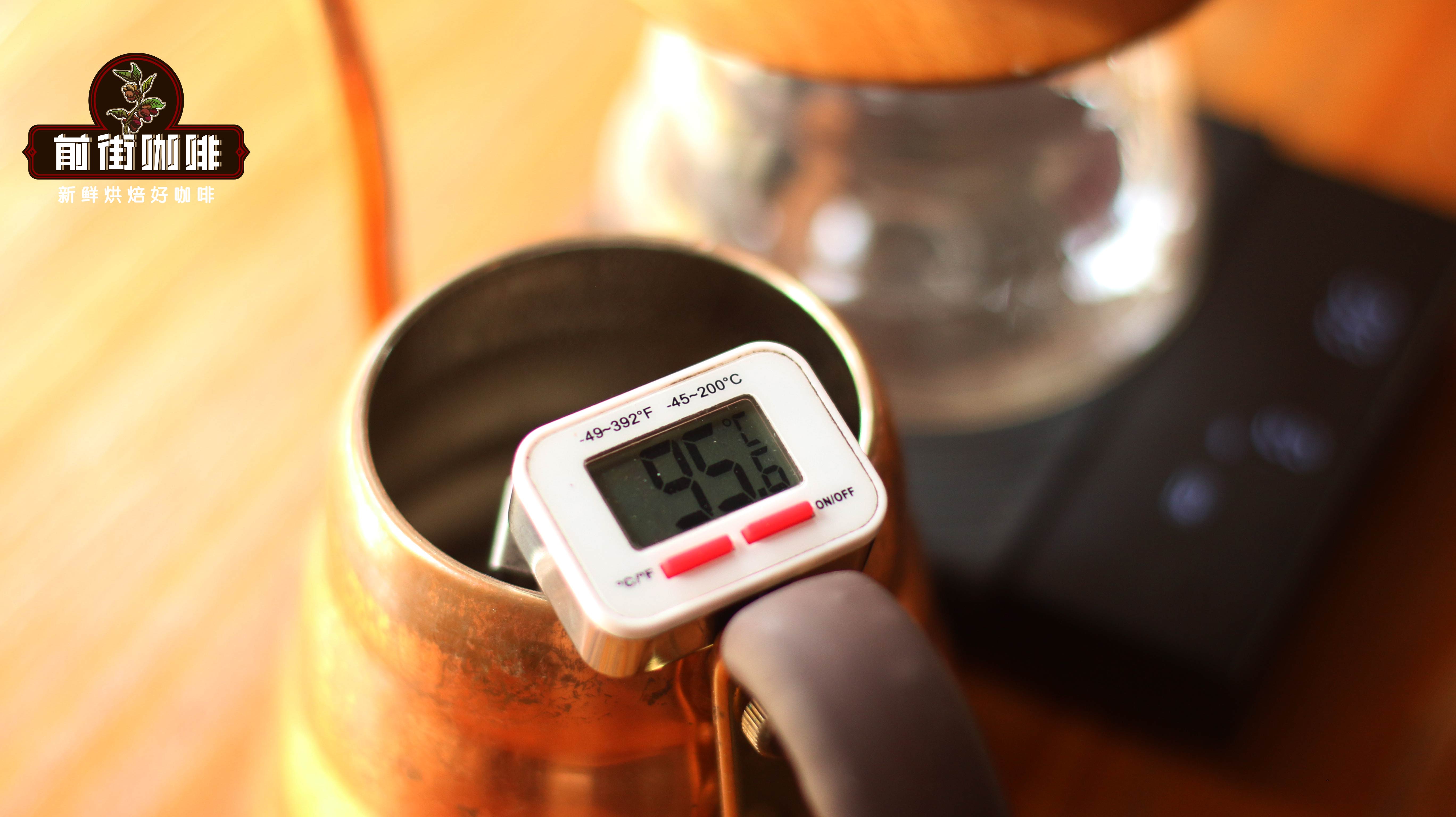
What Is the Ideal Water Temperature for Pour-Over Coffee? An Analysis of the Difference Between Brewing Water Temperature and Actual Extraction Temperature
When brewing pour-over coffee, what temperature should the water actually be set to? Mainstream recommendations fall between 86°C and 93°C—light roasts suit higher temperatures, while dark roasts are better with lower water temperatures. However, the initial water temperature in the pour-over kettle does not equal the actual extraction temperature when it contacts the coffee grounds. Through actual testing, Front Street found that when the water temperature in the kettle is 90°C, the temperature participating in extraction within the coffee bed only remains around 84.5-86°C, with a clear gap between the two. This temperature difference mainly comes from the coffee grounds absorbing heat, the dripper absorbing warmth, and the water flow losing heat as it is exposed to air. As long as you deliberately raise the height of the water stream during the pouring stage, you can accelerate the temperature drop, bringing the effect of a 93°C initial water temperature close to 90°C during extraction. Understanding the relationship between the set parameter temperature and the actual extraction temperature helps you adjust flexibly in daily brewing and consistently present your ideal flavor. [more…]
A Detailed Guide to Pour-Over Coffee Staged Extraction Techniques: A Full Breakdown of One-Pour, Three-Pour, and Three-Stage Brewing Steps
Among the many schools of pour-over coffee, single-pour, three-pour, and volcano methods each have their own characteristics, and the three-pour method is the classic example of staged extraction. By dividing the pour into several stages, staged extraction can present a richer sense of layering, clearly distinguish the flavors of the coffee's front, middle, and back sections, and at the same time reduce the chance of water escaping from the edge of the dripper, improving brewing stability. However, this technique also places higher demands on controlling flow rate and water volume. This article will use beans from Costa Rica's Pilon processing plant as an example to break down the steps of staged extraction in detail, and answer the common confusion about when to stop and when to pour again, helping you easily master this technique. [more…]
Pink Bourbon Coffee Variety Analysis: Colombian Flavor Characteristics and Pour-Over Parameter Practical Sharing
Pink Bourbon, a cross between Red Bourbon and Yellow Bourbon, is especially prized for its poor reproductive stability and scarce yields. This article will guide you through the origin background, processing method, and flavor profile of this Front Street Colombia Pink Bourbon, along with complete pour-over extraction parameters and step-by-step instructions, enabling coffee enthusiasts to recreate at home the juicy sensation interwoven with grapefruit, blueberry, and sweet orange, and to experience the charm of its mid-palate floral notes and lingering yellow sugar finish. [more…]
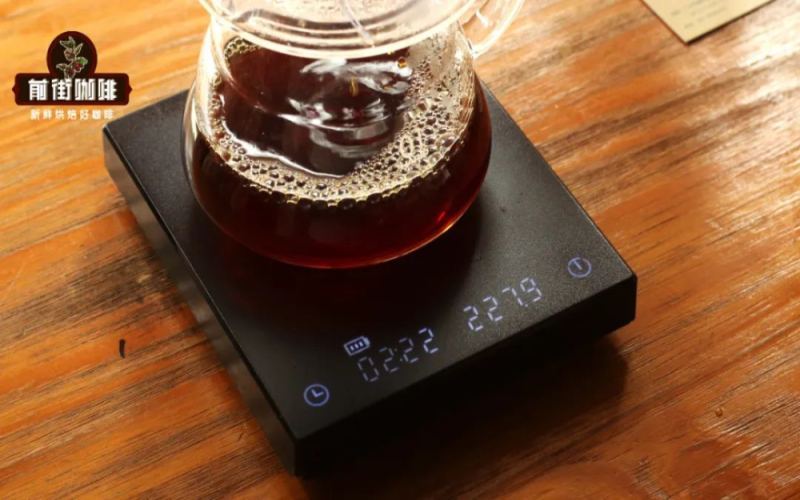
Analyzing the Core Elements of Pour-Over Coffee Extraction: Master Three Key Variables to Stabilize Flavor Output
Many coffee enthusiasts often encounter a confusion when practicing pour-over: even when strictly following the tutorial, the taste brewed each time is vastly different, and whether it tastes good or not seems to depend entirely on luck. Front Street is also frequently asked in conversations with customers—there are so many variables affecting pour-over, which one is truly the key to determining flavor? In fact, water temperature, coffee-to-water ratio, grind size, pouring technique, time, and water quality—these six elements together influence the extraction result, among which grind size is often the most easily overlooked yet extremely core link. This article will break down the actual roles of these parameters one by one, helping everyone clarify their thinking, identify the direction for adjustment, and make every cup of pour-over more controllable. [more…]